
DC Worlds Collide Strategy RPG
Warner Bros. International EnterprisesRole Playing
4.21.93K Reviews
- Version
- 1.1.16.3
- Installs
- 1.00M
- Age Rating
- Teen
Screenshots
Our Review of DC Worlds Collide Strategy RPG
 Analysis by Appyee
I came to DC Worlds Collide Strategy RPG expecting a familiar mix of superhero collecting and tactical battles, but the part that matters most is how much thought it asks of me between fights. This is a role-playing game from Warner Bros. International Enterprises, built around assembling DC characters into a squad and choosing how to use them. I’d recommend it to someone who enjoys planning a team as much as watching it take on opponents, rather than to anyone looking for a quick-action brawler.
What the pace feels like in practice
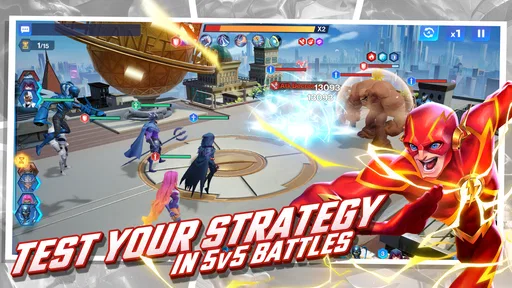
The combat is turn-based, so there’s no need to make split-second moves. I can pause over a decision, consider which character to use, and adjust my approach when a fight starts going badly. That makes the game easier to fit into a short break than a real-time action title, though a difficult encounter can still take longer when I’m testing different tactics.
That slower rhythm is a strength if I like weighing options; it is less appealing if I want immediate, hands-on action. Battles ask for attention even when the controls aren’t demanding speed. I wouldn’t treat every stage as background entertainment, because a careless team choice can turn a seemingly manageable encounter into a frustrating retry.
Where the time goes
The busiest moments come when I’m deciding how to improve the roster, not just when I’m in a fight. Upgrading heroes, considering their abilities and gear, then seeing whether those choices work together gives the game a satisfying planning loop. My practical tip is to make changes with a purpose: if a team keeps struggling, identify the weak point first instead of spreading upgrades across everyone simply because the option is available.
Daily and weekly challenges also encourage regular visits. They give a returning player a short-term reason to check in, alongside the larger mission progression, but that routine may feel like an obligation if I already have several games asking for daily attention. I’d approach the challenges as optional goals, not a checklist that must be cleared every time I open the app.
Reliability and the play routine
The game is rated Teen, is free to download, and has in-app purchases ranging from $0.99 to $199.99 per item. That wide range makes it sensible to decide on a spending limit before browsing purchase options, especially if collecting characters and accelerating progression are part of the appeal. I can enjoy a free-to-play RPG without treating every paid shortcut as necessary; patience and a clear budget are useful safeguards.
Its average rating is 4.4 from around 29,000 ratings, and it has passed one million installs. Those figures suggest that plenty of players have tried it, but they can’t tell me whether its particular style will suit you. I’d judge it by the turn-based strategy and ongoing progression first: those are the parts that shape the day-to-day experience more than popularity figures do.
Device and connection expectations
The current version is 1.1.14.0, and the stated minimum operating system is 7.1. Before installing, I’d check that my device meets that requirement and has enough free space for the app and its future updates. I can’t responsibly promise a particular frame rate, battery use or loading time across different phones; those depend on the device and conditions, so the safest approach is to try a session on the hardware you plan to use.
For a normal evening, I might play a mission, pause to review the team, then return later rather than trying to do everything in one sitting. That works well with turn-based combat and gives me a chance to think through upgrades. If your usual gaming time is a few minutes while commuting, remember that a battle may not fit neatly into that window, and interruptions can make a strategic encounter harder to follow.
Embrace Your Inner Superhero
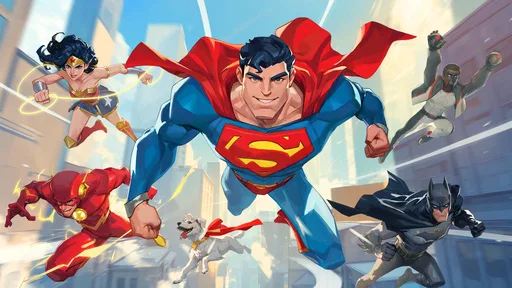
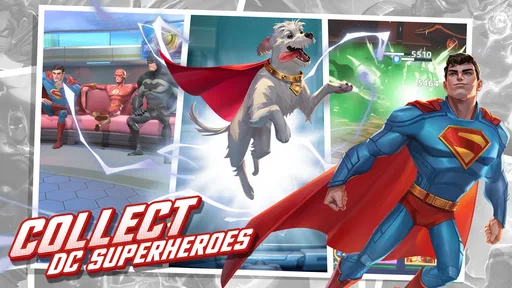
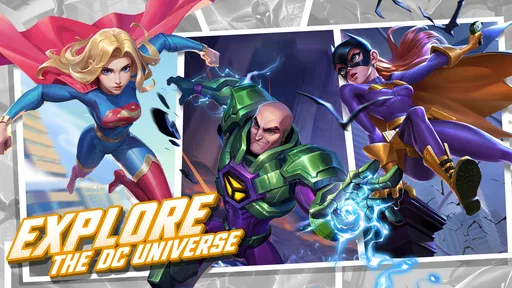
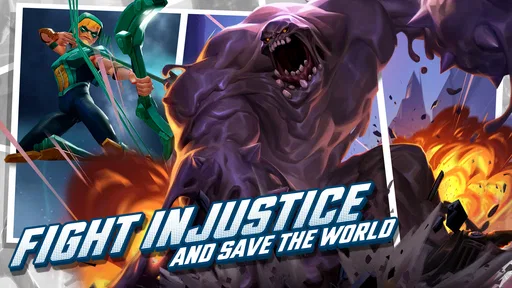
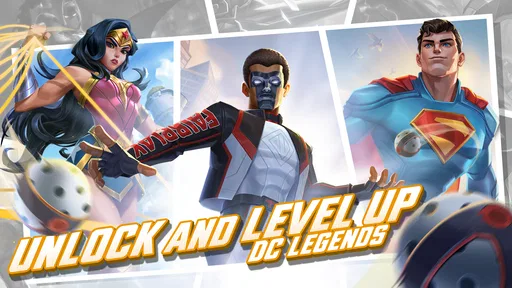
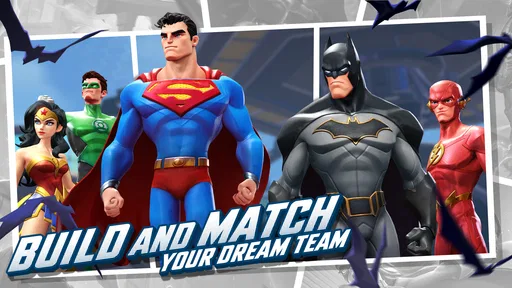
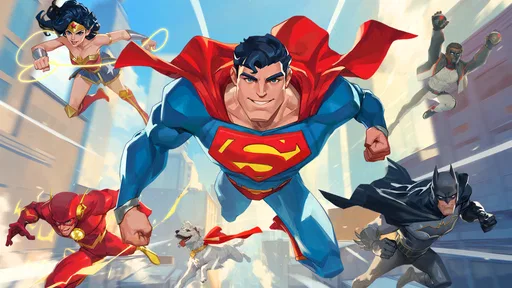
The first thing that struck me about DC Worlds Collide Strategy RPG is how it brings together a star-studded ensemble of DC heroes and villains. Whether you’ve always wanted to team up Batman and Wonder Woman or see how Joker and Harley Quinn handle a mission, this game lets you live out your wildest comic book fantasies.
As you jump in, the game immediately immerses you in a vibrant world where the stakes are high, and the choices are yours. The graphics are stunning, capturing the essence of each character with impressive detail. It’s like the comic pages have come to life, and you’re the one flipping through them.
Gameplay Mechanics
Now, let’s talk mechanics, because that’s where the magic happens. This isn’t your average button-masher. DC Worlds Collide encourages strategic thinking. You’ll need to carefully assemble your team, harnessing each character’s unique abilities to overcome challenges. It’s a mix of brainpower and brawn, which keeps things interesting.
The battle system is turn-based, giving you ample time to plan your moves. But don’t get too comfy; each battle can throw unexpected curveballs your way. It’s the kind of game where practice and patience really pay off. You’ll find yourself tweaking team strategies, trying different combos, and yes, sometimes failing spectacularly. But hey, that’s part of the fun!
Storyline and Missions
What’s a superhero game without a gripping storyline? DC Worlds Collide doesn’t disappoint. The narrative pulls you in and keeps you hooked with twists and turns. Missions are diverse and plentiful, ranging from rescuing hostages to taking down notorious villains. Each mission is like a mini DC saga, and completing them feels rewarding.
The game also offers daily and weekly challenges which, trust me, will keep you on your toes. It’s a perfect blend of long-term goals and short bursts of entertainment.
Customization and Progression
As any RPG enthusiast would expect, customization is key. The game lets you upgrade your heroes, enhancing their skills and abilities. It’s satisfying to see your team grow stronger, and it adds a layer of depth to the gameplay. You can also equip your characters with various gadgets and gear, making every choice count toward your success in battles.
Progression feels balanced, with enough rewards to keep you motivated without falling into the pay-to-win trap. You can grind through missions to earn upgrades, or take advantage of special events to fast-track your progress.
Community and Multiplayer
No game is complete without a vibrant community, and DC Worlds Collide boasts an active player base. The multiplayer aspect is a real treat. You can team up with friends or compete against other players in PvP battles, which are intense and thrilling. It’s a chance to show off your strategic prowess and learn new tactics from the community.
The developers also engage with players regularly, offering updates and listening to feedback, which is always a plus in my book.
Final Thoughts
So, is DC Worlds Collide Strategy RPG worth your time? Absolutely. It’s a game that beautifully marries strategy with the beloved DC universe, offering hours of engaging content. Whether you’re a casual player or a hardcore strategist, there’s something here for you.
So, grab your cape (or your evil laugh) and dive into the chaos. Just remember, in this world, strategy is your superpower.
Who is likely to enjoy building this roster
I think the clearest fit is a DC fan who likes comparing characters and experimenting with team combinations, but doesn’t need every session to be competitive. The appeal isn’t simply seeing familiar faces together; it’s deciding which heroes deserve attention and then finding out whether that investment helps in a mission. If you enjoy the small puzzle of making a squad work, that loop can be more satisfying than collecting characters and leaving them unused.
It is a weaker match for someone who wants a self-contained story with no recurring progression, or who dislikes games that invite regular check-ins. The challenges and upgrades give the experience a continuing rhythm. If you’d rather finish a campaign at your own pace and move on, a single-player action adventure may be a better fit than this ongoing squad RPG.
Making progress without wasting upgrades
A useful habit is to treat the roster like a set of options rather than a demand to level everyone at once. When a mission stalls, I’d look at what the team is failing to do—survive long enough, deal with a particular threat, or make a useful ability choice—before spending resources. That keeps experimentation manageable and helps avoid the common collector’s-game trap of making many small upgrades without improving the team that actually goes into battle.
There is a trade-off here: focusing on a compact group can make progress feel clearer, but it may leave fewer ready alternatives when a different matchup calls for a change. I’d keep a modest reserve for adjustments instead of committing every available resource immediately. The right balance depends on whether you prefer steady investment in favorites or frequent roster experiments.
How it differs from other superhero RPGs
Compared with a reflex-heavy superhero action game, this one puts more weight on preparation and turn order than on timing your own attacks. Compared with a broad fantasy squad RPG, its strongest draw is the DC cast and the pleasure of pairing recognizable heroes and villains. That distinction matters: if the license is a major part of the fun for you, the team-building has an extra layer of personal appeal; if it is not, the tactical loop has to carry the experience on its own.
It also sits between a quick mobile diversion and a deeper strategy game. The missions and recurring challenges make it easy to return in small portions, yet decisions about upgrades and team composition reward a little concentration. I wouldn’t choose it as a substitute for a sprawling, fully self-paced RPG if long exploration and uninterrupted narrative are what I want most.
Spending, patience, and expectations
One question many players have is whether paying is required to enjoy the game. I’d start free and see whether the ordinary pace feels satisfying before spending anything. In-app purchase options are present, but a purchase is best treated as optional convenience, not proof that a stronger squad is essential. If progression begins to feel slow, I’d first revisit team choices and available missions rather than assuming that paying is the only solution.
Another practical question is whether this works for short sessions. A brief visit can be useful for checking goals or making a small roster decision, but I’d leave a fresh mission for a window when I can concentrate. Turn-based play removes pressure to react instantly, not the need to remember what is happening. For a commute with frequent interruptions, a simpler puzzle or idle game may be more forgiving.
What to expect from a phone session
Performance is difficult to generalize across devices, so I’d avoid assuming that the same session will feel identical on every phone. The sensible check is straightforward: install it on a compatible device, play through a mission, and notice whether loading, heat, battery drain or responsiveness feels comfortable for your own routine. If the device is older or already short on storage, leave room for updates and close other demanding apps before deciding that the game itself is the cause of a slowdown.
For reliability, I’d also make a habit of finishing an encounter before switching apps whenever possible. A turn-based battle is less punishing than a real-time match when interrupted, but losing track of the team’s condition or the current objective can still make a return awkward. I wouldn’t assume progress recovery in every situation; keeping the app current and avoiding force-closing during a transition is a cautious routine, not a guarantee about how every interruption is handled.
My performance verdict
As a mobile role-playing game, DC Worlds Collide is best approached as a thoughtful, repeat-visit experience rather than a test of a phone’s speed. The turn-based structure gives it a measured pace, while roster management and recurring challenges supply reasons to return. I’d recommend trying it if the DC lineup and tactical team-building sound appealing, then judging the actual device experience during a normal session instead of relying on broad promises about smoothness or resource use.
My main reservation is that the ongoing progression can become another daily demand, and its strategic battles are not ideal when I want instant action or have only a distracted moment available. But for a player who enjoys careful squad choices, recognizes the characters, and is comfortable progressing patiently, it offers a distinctive superhero-flavored alternative to faster action games. I’d give it a try for free, keep purchases optional, and let the way it runs on your phone decide whether it earns a regular place in your game rotation.
Verdict
Strengths of DC Worlds Collide Strategy RPG
- Engaging storyline with iconic DC characters.
- Impressive graphics and smooth animations.
- Strategic gameplay with team-building elements.
- Frequent updates with new content and events.
- In-depth character customization options.
Limitations of DC Worlds Collide Strategy RPG
- Requires a stable internet connection.
- In-app purchases can be pricey.
- Some levels feel repetitive over time.
- Occasional bugs and performance issues.
- Limited energy system restricts playtime.
Other Releases by Warner Bros. International Enterprises
View All
Injustice: Gods Among Us
Action4.3

LEGO® Star Wars™: TFA
Adventure3.5

Injustice 2
Action4.3

Heads Up!
Word4.5
Similar Picks in This Category
View All
Hair Dye
CrazyLabs LTD4.4

Monster High™ Beauty Salon
CrazyLabs LTD4.5

Bus Simulator - Bus Games 3D
Jima Apps4.4

Flight Pilot: 3D Simulator
Wildlife Studios4.1


Super Stylist Fashion Makeover
CrazyLabs LTD4.4
Frequently Asked Questions
What is DC Worlds Collide: Strategy RPG about?
DC Worlds Collide: Strategy RPG is a mobile game that brings together iconic DC characters in a strategic role-playing format. Players can assemble teams featuring superheroes and villains, engage in tactical battles, and explore a rich storyline within the DC universe. The game combines strategy, character development, and engaging combat mechanics.
Is DC Worlds Collide free to play, or does it have in-app purchases?
DC Worlds Collide is free to download and play on both Android and iOS platforms. However, it features in-app purchases that can enhance the gaming experience. Players can buy in-game currency, character upgrades, and other items to progress faster or customize their teams. Purchases are optional, and players can enjoy the game without spending money.
What are the system requirements for DC Worlds Collide?
To play DC Worlds Collide smoothly, Android devices should run on OS version 5.0 or higher, while iOS devices need to be on iOS version 10.0 or above. The game may require a minimum of 2GB RAM for optimal performance. Ensuring your device meets these specifications will provide a better gaming experience.
How often does DC Worlds Collide receive updates or new content?
DC Worlds Collide regularly receives updates that include new characters, events, and features to keep the game fresh and exciting. The developers actively work on improving gameplay mechanics and introducing new content to keep players engaged. Updates may also include bug fixes and performance enhancements.
Can I play DC Worlds Collide offline?
DC Worlds Collide requires an internet connection to play. This is to access online features such as events, multiplayer modes, and syncing game progress. A stable connection ensures you can fully enjoy all aspects of the game, including real-time updates and interactions with other players.
Play our best games!


